
A level 2 autonomous robot for carrying your things.
Our goal with rover was to create a robot that would be able to follow you around and carry you things for you – similar to those suitcases that follow you around.
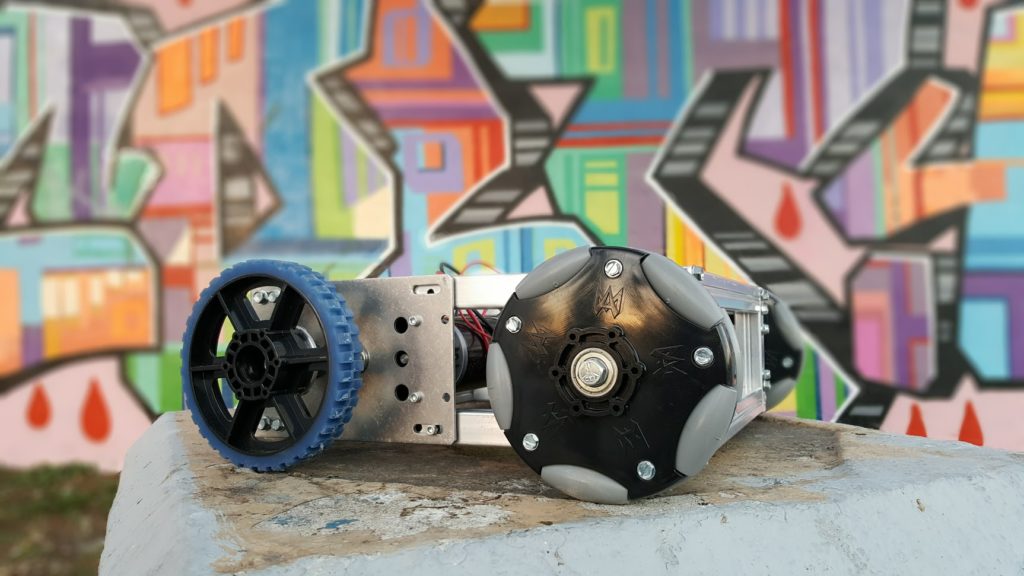

After publishing the video we were invited to compete in Germany. We had to quickly scrap for a crowdfunding campaign which led to raising enough money to buy two chassis and all the components to make our robot come to life.
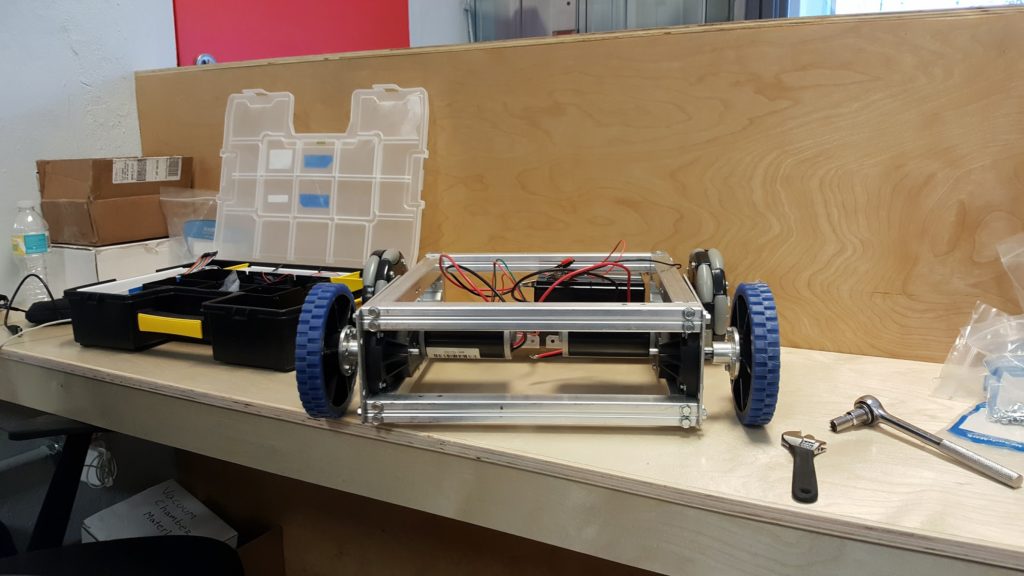
Here are two articles our team wrote about our experience building the robot:
If you were programming a GPS Modules, which one would you pick and why?
And…
Are Inertial Measurement Units (IMUs) efficient for production?
When our robot was complete we created a video to introduce Rover to the world:
Learn about the whole story in the link below:
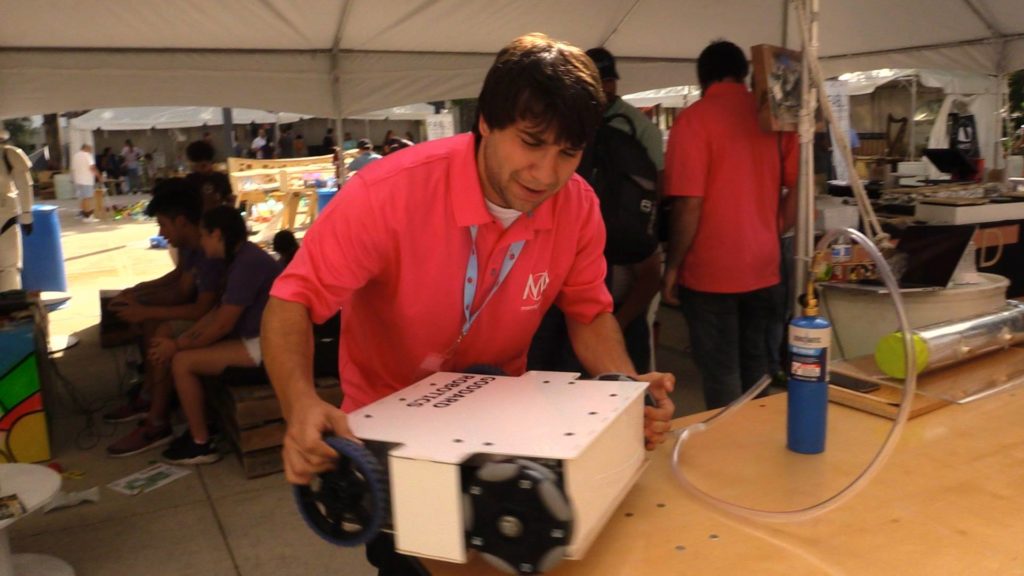
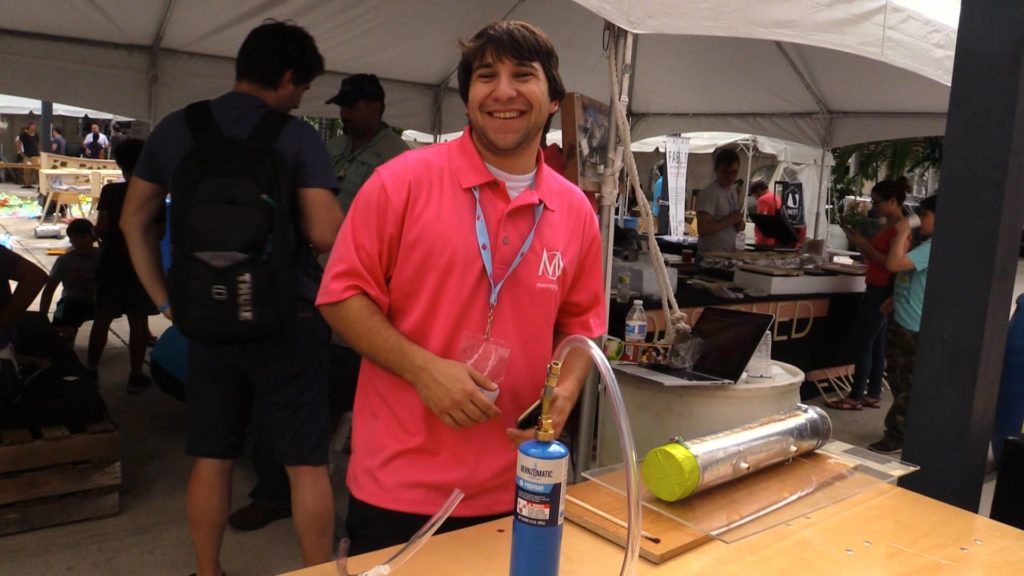

Building DecoGraphic’s Augmented Reality (AR) iOS App.
From creating the markers to helping create the content shown on the markers, this application highlights many of the services offered by DecoGraphic as a communications company. In this last project the team developed an Augmented Reality application using a combination of Unity, Vuforia and Xcode to release DecoGraphic’s first iOS App.
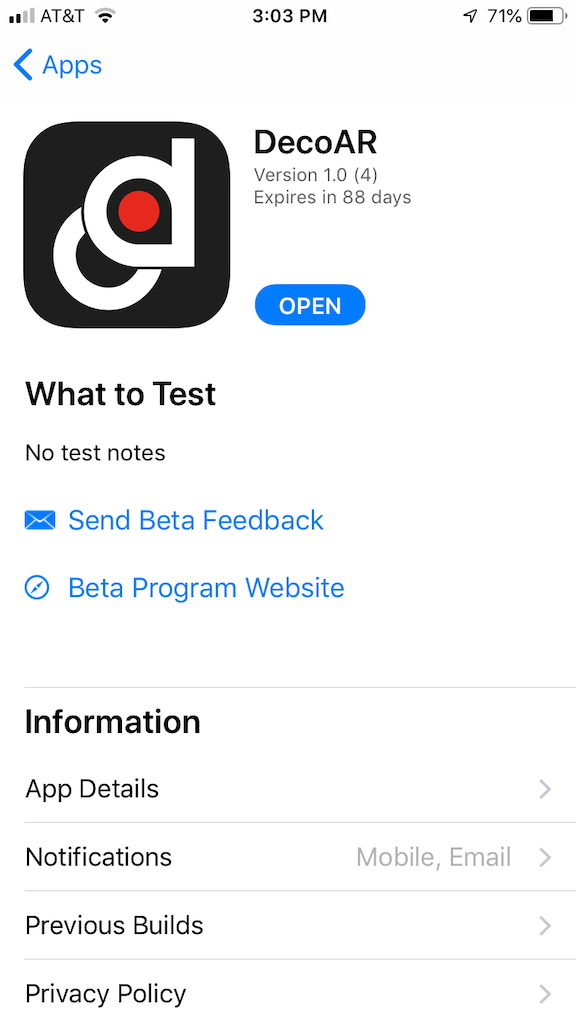
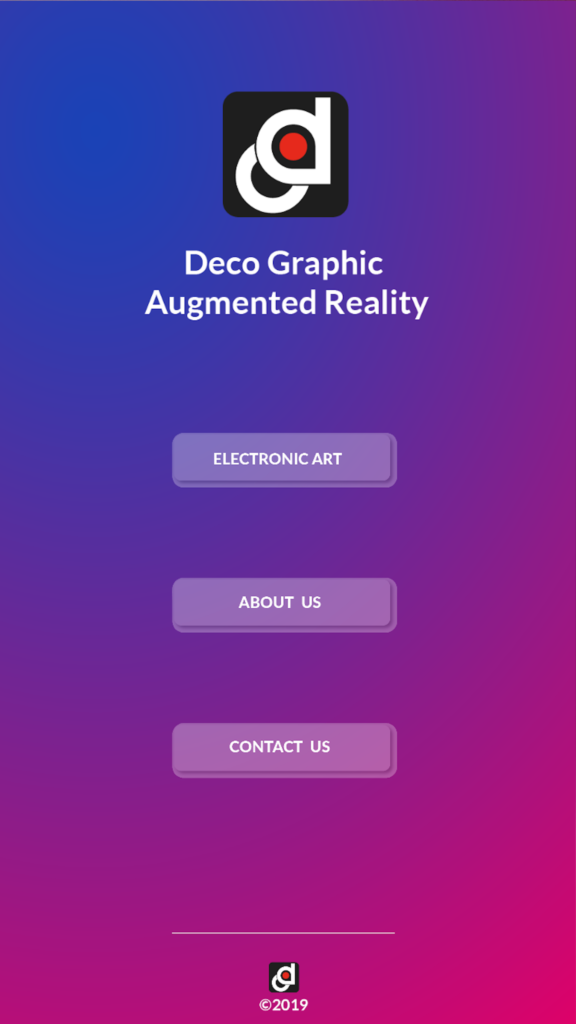
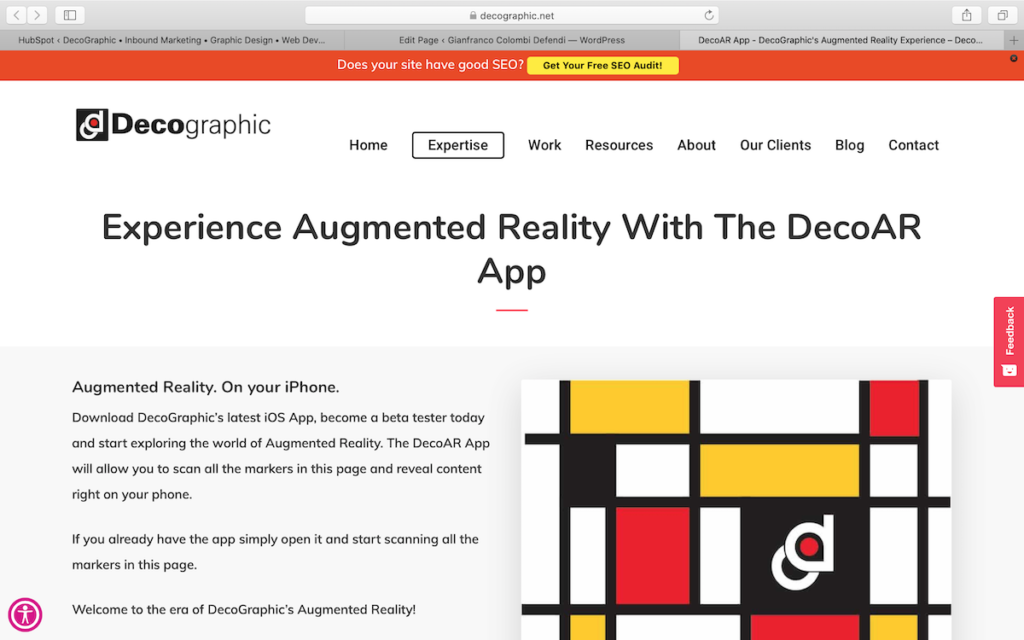
If you would like to see the full web page you can click on the link below:
DecoGraphic’s Augmented Reality (AR) App Webpage
From creating the user interface and a responsive menu, to becoming a certified Apple developer and pushing an App to the App Store, to finally getting the app on TestFlight to give it to users to Beta Test:
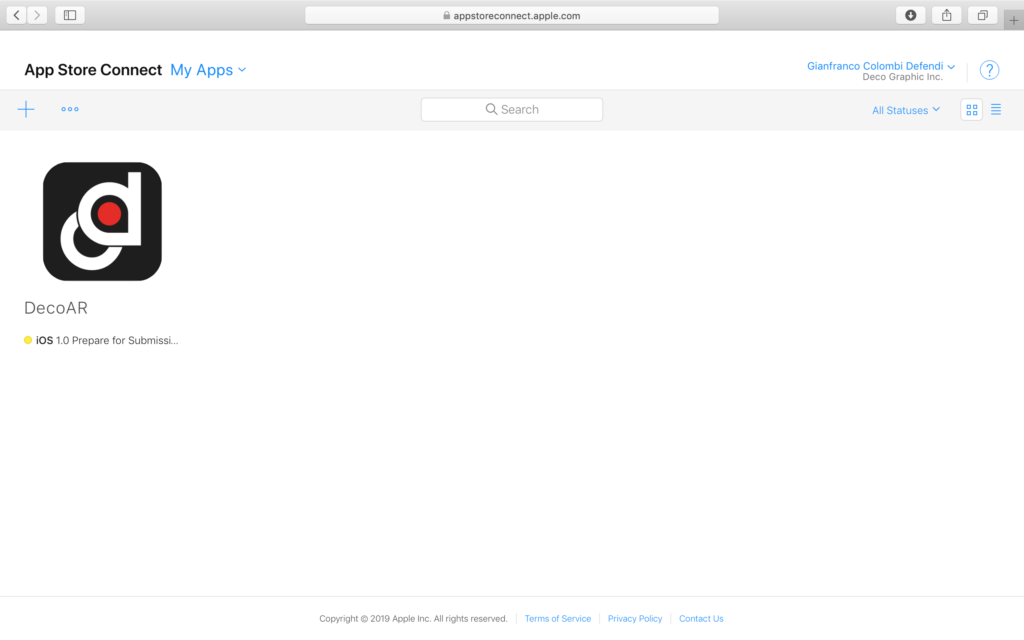
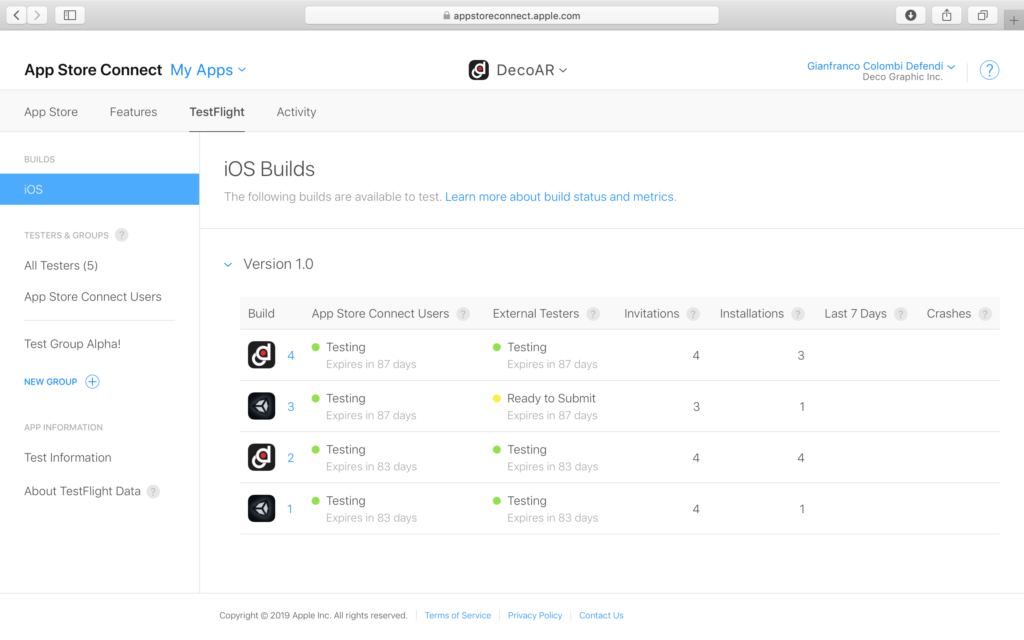
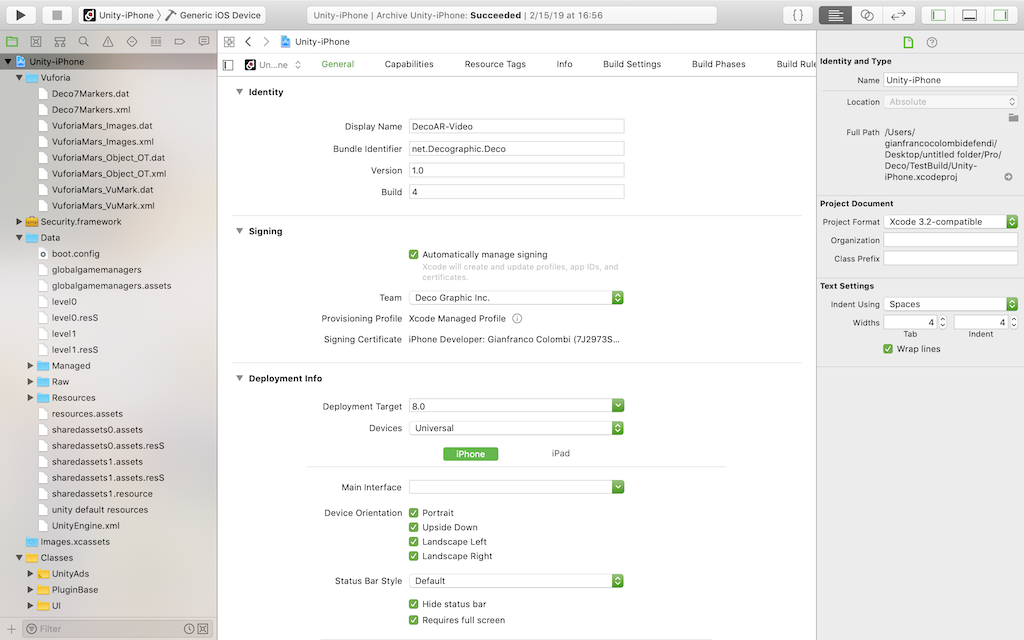
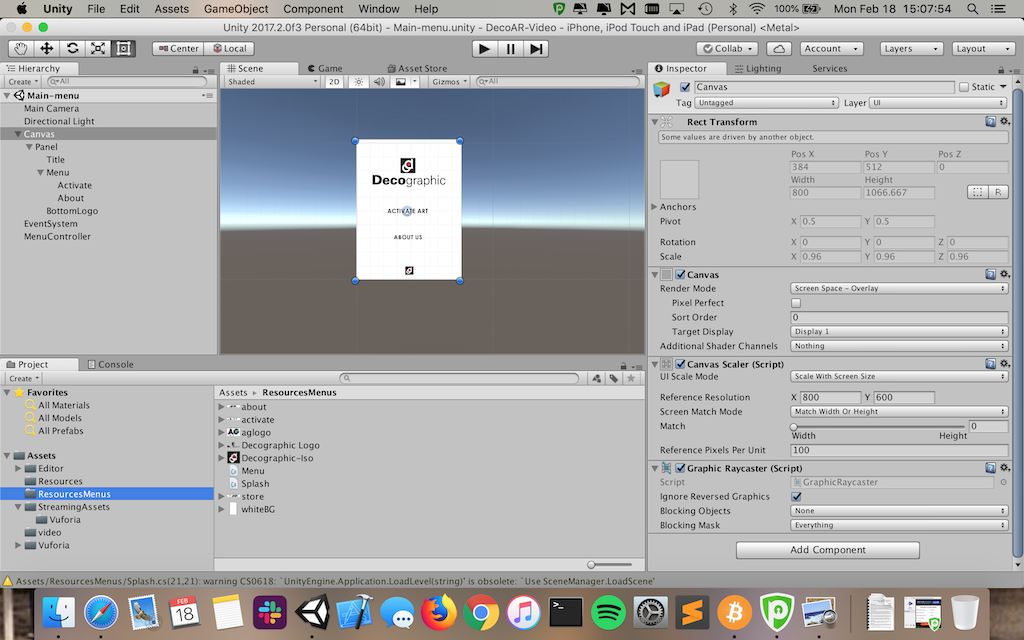
If you would like to become Beta Tester of the App you can join through the link below:
Cortex
Using graph database to connect and enrich diverse data at scale, rapidly and cost effectively using data curation and machine learning algorithms.
In the real world, the process of preparing data for any type of analysis, but particularly machine learning, consume the majority of the time.
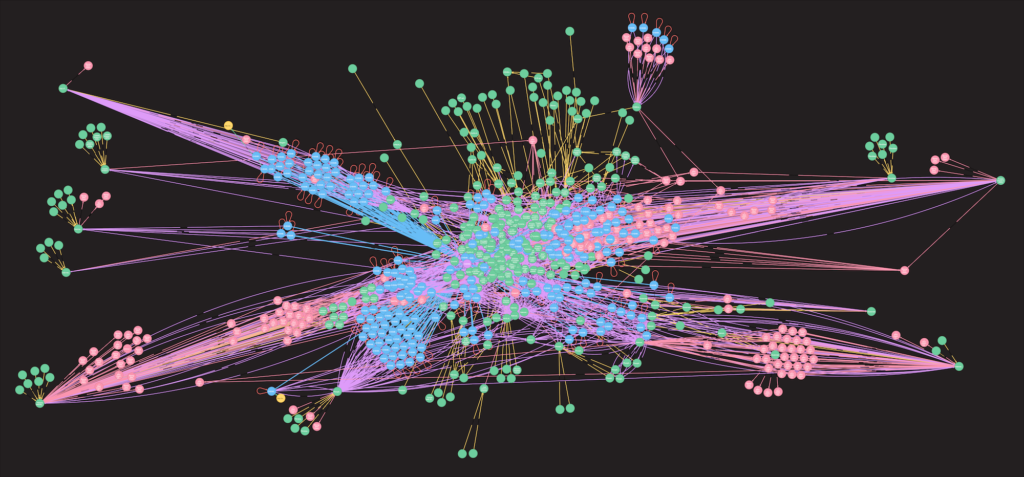
What is data curation?
Digital curation is the selection, preservation, maintenance, collection and archiving of digital assets. Digital curation establishes, maintains and adds value to repositories of digital data for present and future use.
Here is a video of curating the traditional SQL data in a graph database:
Why use machine learning algorithms?
Costs models and studies on digital curation costs constantly identify humans resources as the most costly component of digital curation.
The biggest cost associated with the initial setup of a data warehouse for machine learning applications is often cleaning up the data.
So some data problems never go away…they just scale.
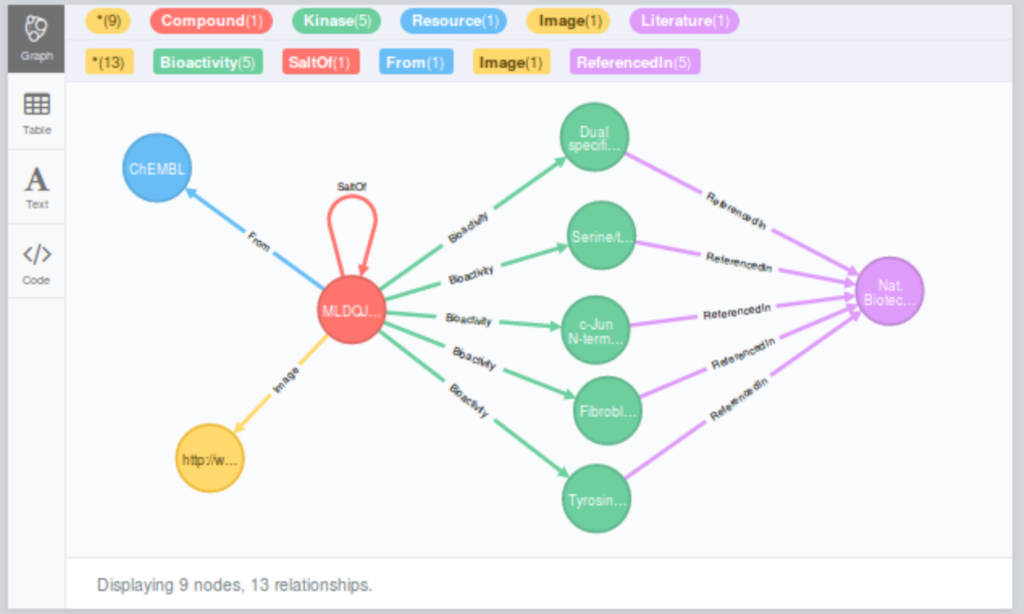
And this is what our first schema looked like
Make1
A course for teaching at Miami Dade College how to go from idea to prototype.

We walked the students form design thinking to using AutoDesk Fusion 360. Then they learned how to develop cardboard chairs that would be testing by having the judge sit on the chair.

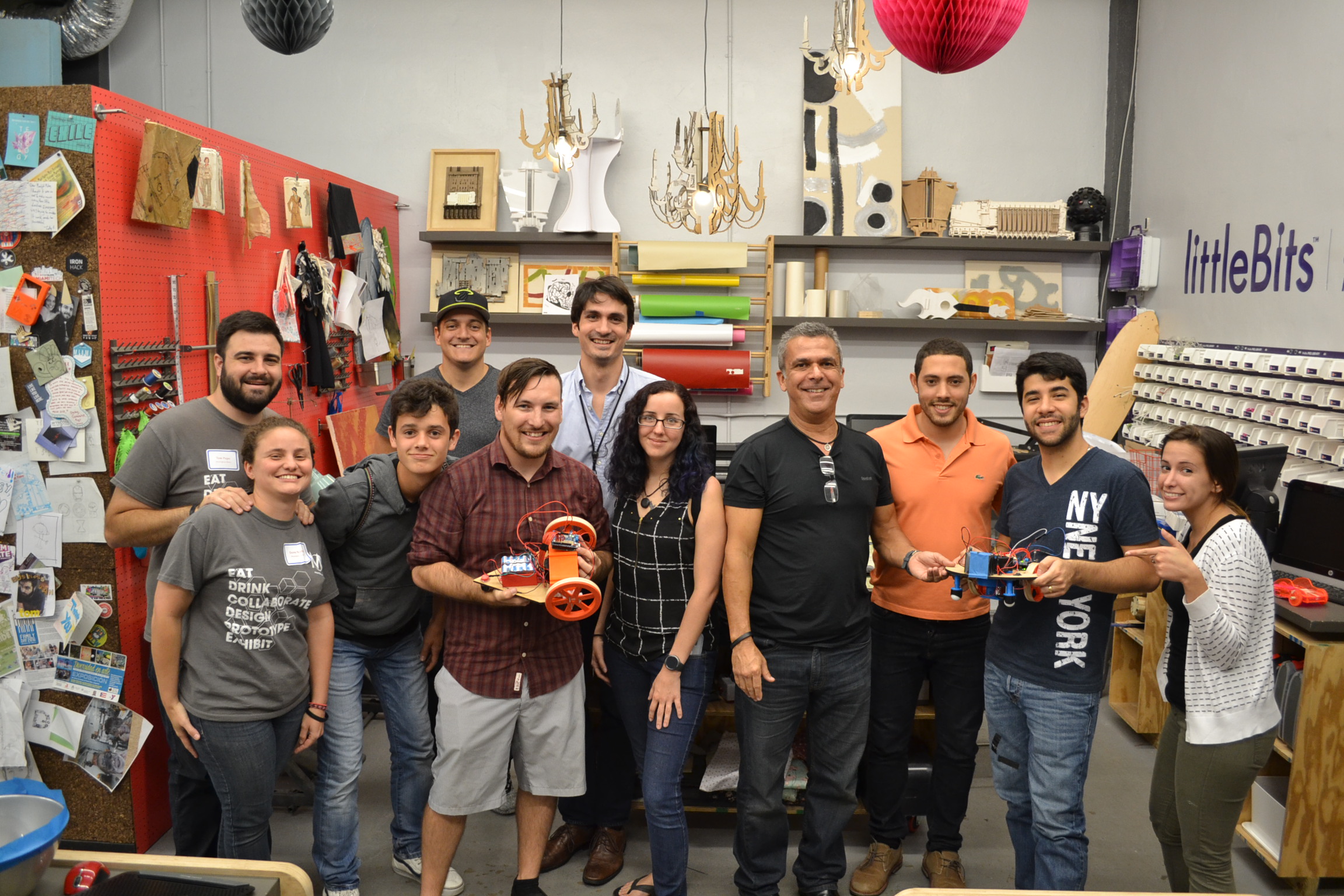
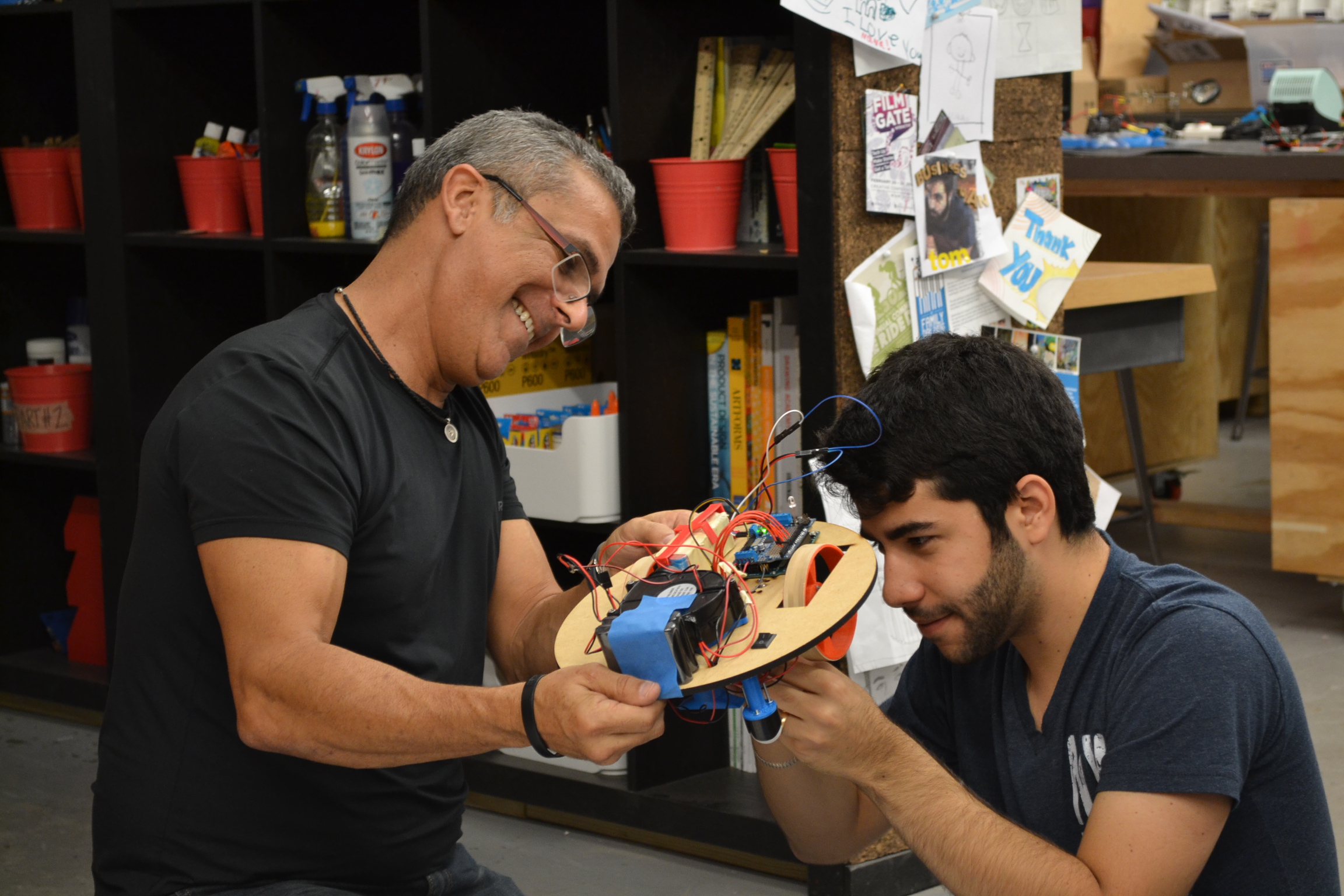
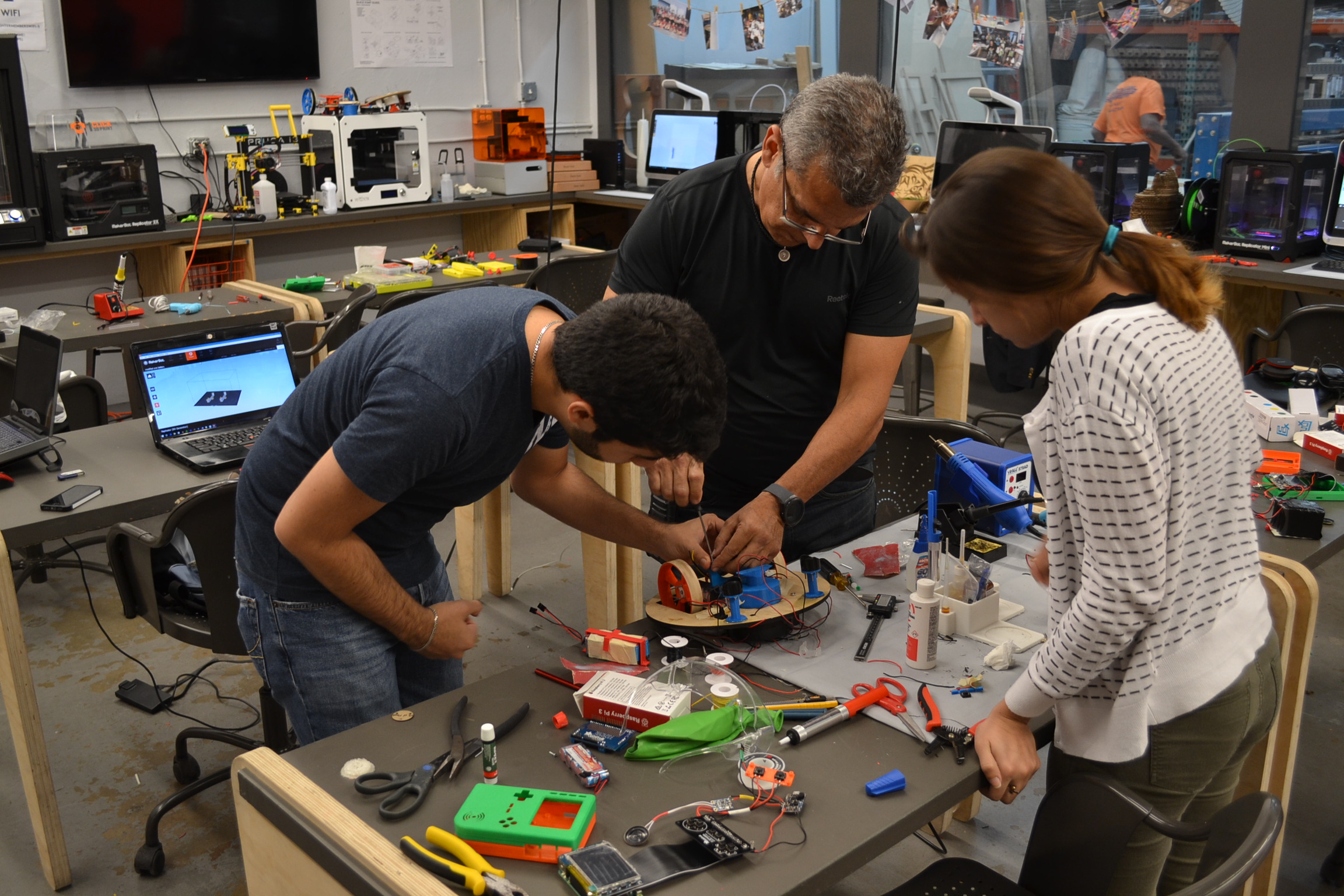
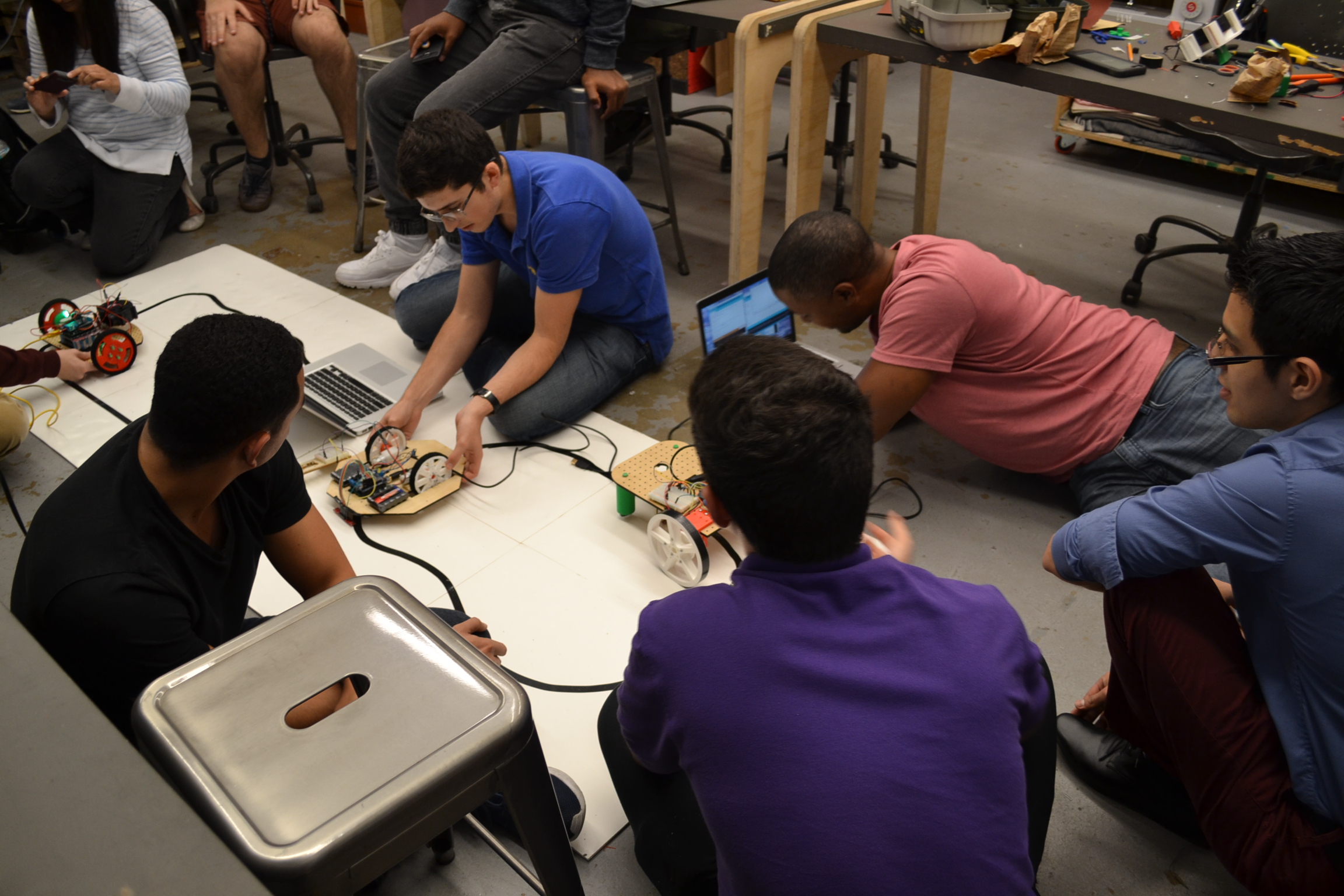
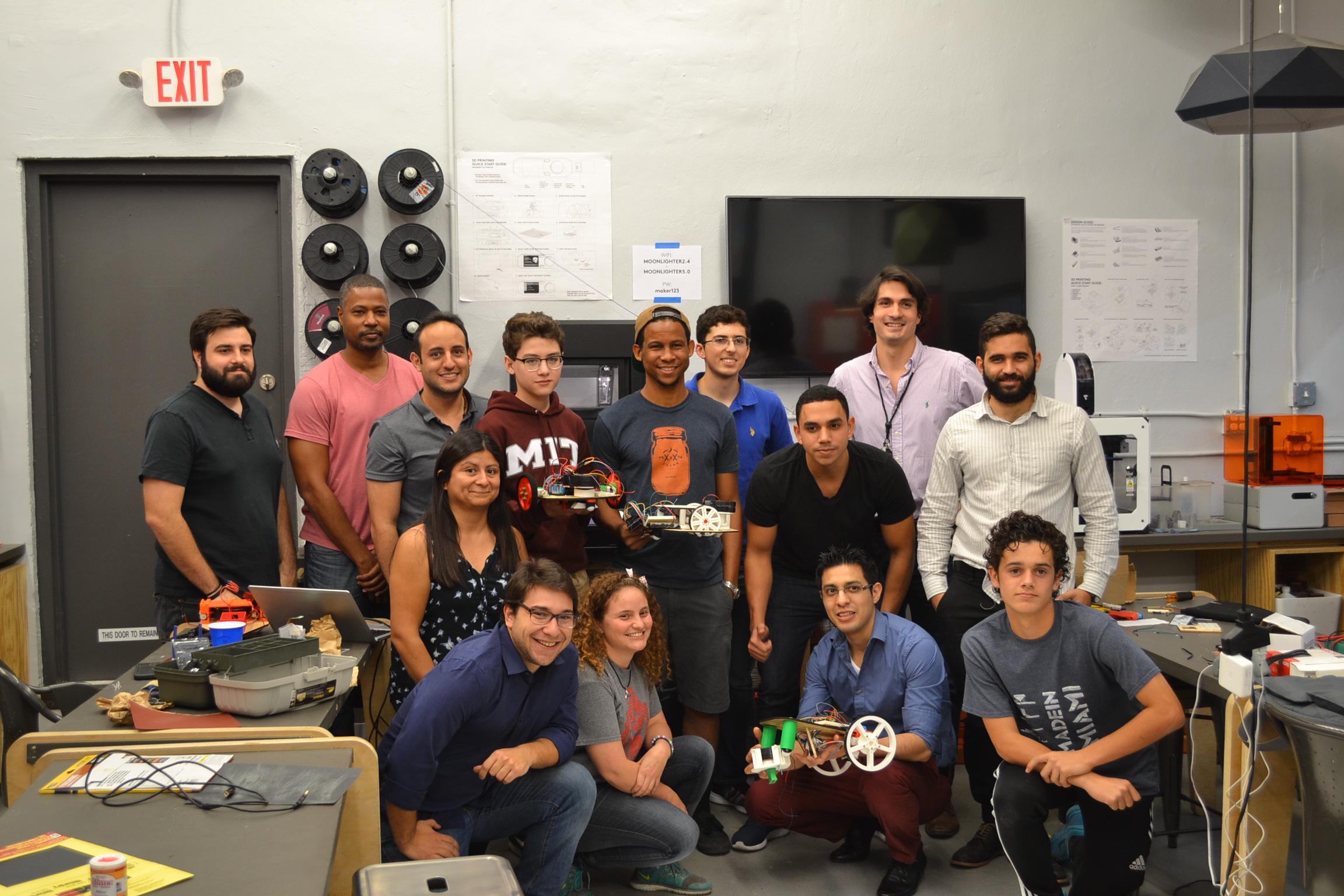
The students then learned how to use laser cutters, 3D printers and program Arduinos in order to build their own Roombas.
Smart Chefs
An IDEO.org human centered design solution.

We brainstormed possible problems that can be addressed within our local community.
We interviewed 55 people, including 2 PhD Nutritionists. This lead us to three insights on the nature of our challenge, centered on three main themes: knowledge, taste and resources.
We decided to develop a cooking competition for local community members at their local community centers, Smart Chefs.
Here is a video of our project:
Proodos PixelHome – Senior Capstone Project
Space saving adaptive furniture for small living spaces located in densely populated areas in the world.
This project utilized the SET (social, economic, and technologic) factor methodology from John Cagan and Craig M. Vogel’s Creating Breakthrough Products book, here is a sample of that selection process for deciding what the project would focus on solving and where the Product Opportunity Gap (POG) presented itself:
You can download the presentation poster in the link below:
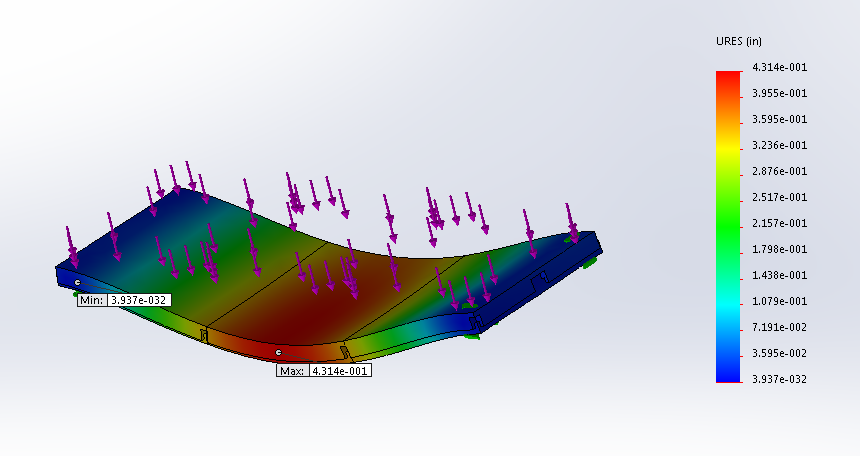
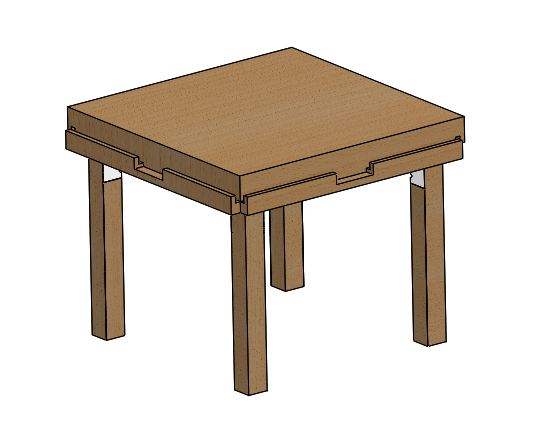
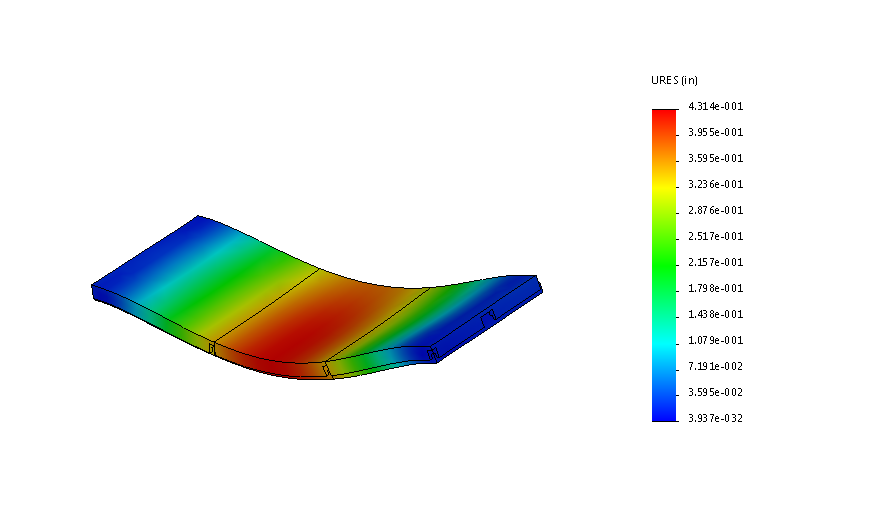
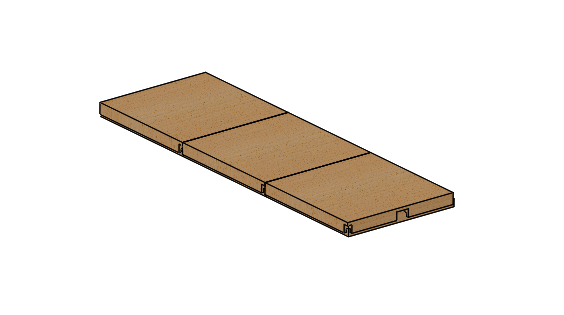
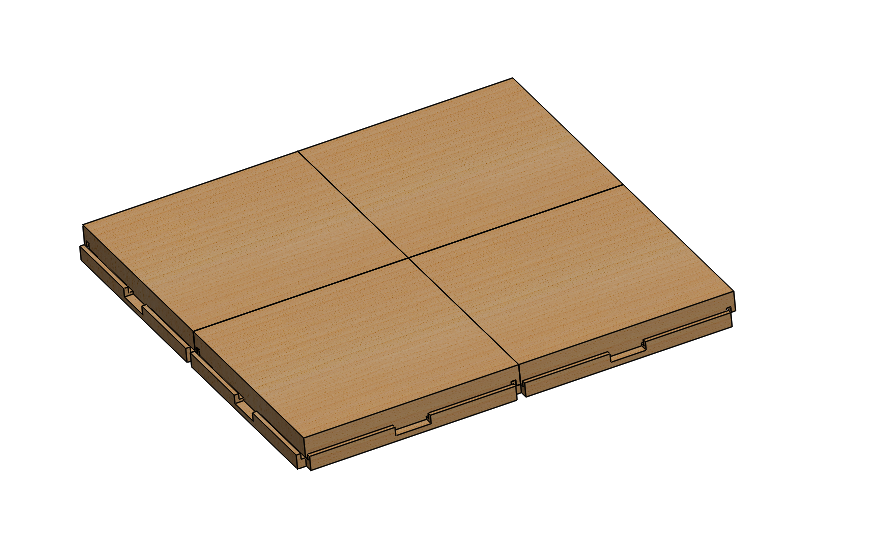
And if you would like to see the presentation you can download it here: